Best PEI Sheet: Textured vs Smooth Surfaces That Actually Stick
Accessories
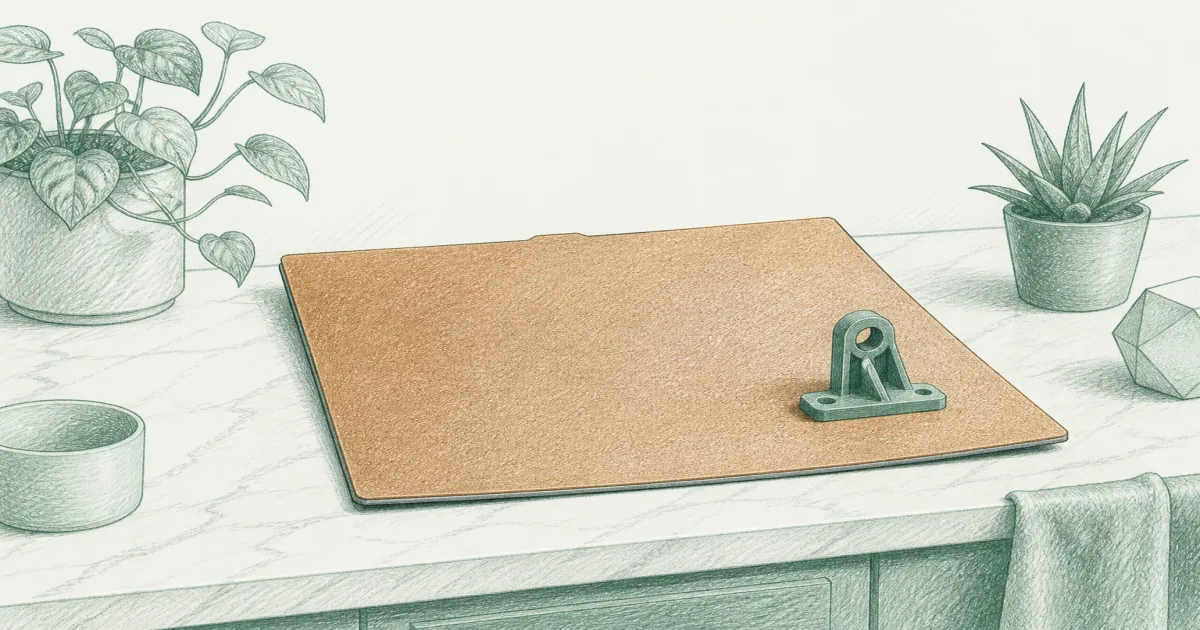
The best PEI sheet matches your bed size and the surface you actually want. Textured grips everyday PLA. Smooth bottoms look cleaner when you can release them.
Our picks
A PEI sheet is the polymer coating on a flexible steel plate that grabs the first layer, then usually releases after the bed cools. It is not interchangeable magic. The wrong width sits crooked. The wrong surface either lifts corners or welds PETG into the texture.
This page owns the PEI surface decision: textured vs smooth, when to replace a dead coating, and which Amazon sheets fit common home beds. For the size-first compatibility checklist, start with our 3D printer build plate guide, then come back here for the coating. More bench gear lives in the 3D printer accessories, and enclosure setups sit under the 3D printer enclosure pillar when drafts keep killing corners.
Size first, then PEI texture
Tape-measure the existing plate before you fall in love with a listing photo. Common home lanes:
If your printer needs a coded sheet, a notch pattern, or a specific thickness, follow the printer maker. A pretty PEI coating on the wrong footprint still fails.
Top pick: YOOPAI textured PEI for Bambu-size beds
The YOOPAI 2PC Textured Build Plate for Bambu Lab Double-Sided PEI, 257x257mm is the PEI sheet we would order for a compatible Bambu-size desk. You get textured PEI on both faces and a second plate in the pack, which matters when one side gets scarred mid-project.
Best for makers who already know they run a 257 mm Bambu-class bed and want everyday PLA and PETG grip with flex release. Skip it for Ender 235 mm machines, A1 mini 184 mm beds, and anything the listing does not name. Confirm model notes before checkout.
Wash the new sheet before the first print. Skin oil causes more “bad PEI” complaints than bad coating chemistry.
Best Ender texture: Creality official 235 mm
The Creality Official Ender 3 S1 Pro Original Build Plate, 235x235mm Texture Surface PEI Sheet is the textured lane for many Creality 235 mm beds. Official sizing and a magnetic removable sheet beat mystery plates with soft corners and wrong screw cutouts.
Best for Ender-class desks that want reliable textured PEI without chasing random brands. Skip it if you need a glossy smooth bottom face for show parts, or if your bed is not 235 mm. After install, re-run leveling or the printer’s plate calibration because stack height can change the first-layer gap.
Best dual surface: smooth plus textured on one sheet
The Creality Official Ender 3 Build Plate, 235x235mm Double-Sided Magnetic Bed Plate Smooth+Textured flips between grip and finish. Use textured for everyday PLA. Flip to smooth when the bottom face needs to look cleaner and you are willing to manage release more carefully.
Best for 235 mm makers who print both utility parts and display pieces. Skip it if you only ever want one texture and hate flipping plates mid-week. Smooth faces sometimes want a lighter adhesive film; keep that optional, not automatic.
Textured vs smooth PEI in practice
Textured PEI forgives fingerprints less than people expect, but it forgives first-layer height better than glass for many home printers. Smooth PEI looks nicer on the bottom of a figurine base. It also teaches you patience on release day.
If corners still lift after a clean sheet, fix drafts, Z-offset, and wet filament before blaming PEI. See how to level a 3D printer bed when the nozzle height is the real problem.
Care that keeps PEI alive
Cool the plate before you flex or scrape. Hold scrapers almost flat. Prefer plastic on a brand-new textured face. Soap and water for oil. Skip harsh solvents unless the manufacturer says they are safe for that coating.
PETG can love PEI too much. Cool fully. Flex the spring steel. Add a thin bed adhesive only when the coating keeps tearing. Pair this sheet guide with best 3D printer spring steel sheet when the flex plate itself is worn out, not just the coating story.
Store spare sheets flat. A crease in spring steel shows up as a permanent first-layer ridge.
Who should skip a PEI upgrade
Skip a new PEI sheet if the old one is still clean and your first layers fail from a high nozzle or a drafty window. Skip random “universal” sizes. Skip stacking glue on fresh textured PEI “just in case.” That is how people buy a second sheet the same week.
Also skip buying PEI for a resin printer. Wrong tool for that job.
Bottom line
Buy PEI for the bed you own. The YOOPAI 2PC textured 257 mm PEI fits many Bambu-size machines. The Creality official textured 235 mm is the Ender-class grip pick. The Creality smooth+textured dual plate is the flip option when finish and grip both matter. Measure twice, wash once, cool before you scrape.
Frequently Asked Questions
What is the best PEI sheet for most home printers?
Match bed size first. For many Bambu 257 mm beds, the YOOPAI double-sided textured PEI plate is the practical buy. For many 235 mm Creality beds, start with the official Creality textured PEI sheet.
Is textured or smooth PEI better?
Textured PEI is the everyday default for PLA and PETG grip. Smooth PEI can leave a cleaner bottom face, but release habits matter more and glue may help on slick days.
Do I need glue on a PEI sheet?
Often no for clean textured PEI with PLA. Wash with dish soap first. Add a thin adhesive only when PETG welds too hard or corners still lift after offset is right. See 3D printer bed adhesive.
How long does a PEI sheet last?
Months to years depending on scrapers, PETG heat, and cleaning. Replace it when deep scratches, bubbles, or a glazed dead corner ruin first layers.
Can I put any PEI sheet on any printer?
No. Size, magnetic base, locator holes, and thickness all matter. Wrong size is the expensive upgrade. Size-first guidance lives in our 3D printer build plate guide.
How do I clean a PEI sheet?
Warm water and a drop of dish soap for fingerprints. Avoid acetone on textured PEI unless the plate maker says otherwise. Dry fully before the next print.
Why do prints stick too hard on new PEI?
Fresh texture, high bed temp, and PETG can weld. Cool fully, flex the spring steel, and keep metal scrapers almost flat. See 3D printer scraper.